EMPIRE CROSSROADS
September 28, 2026
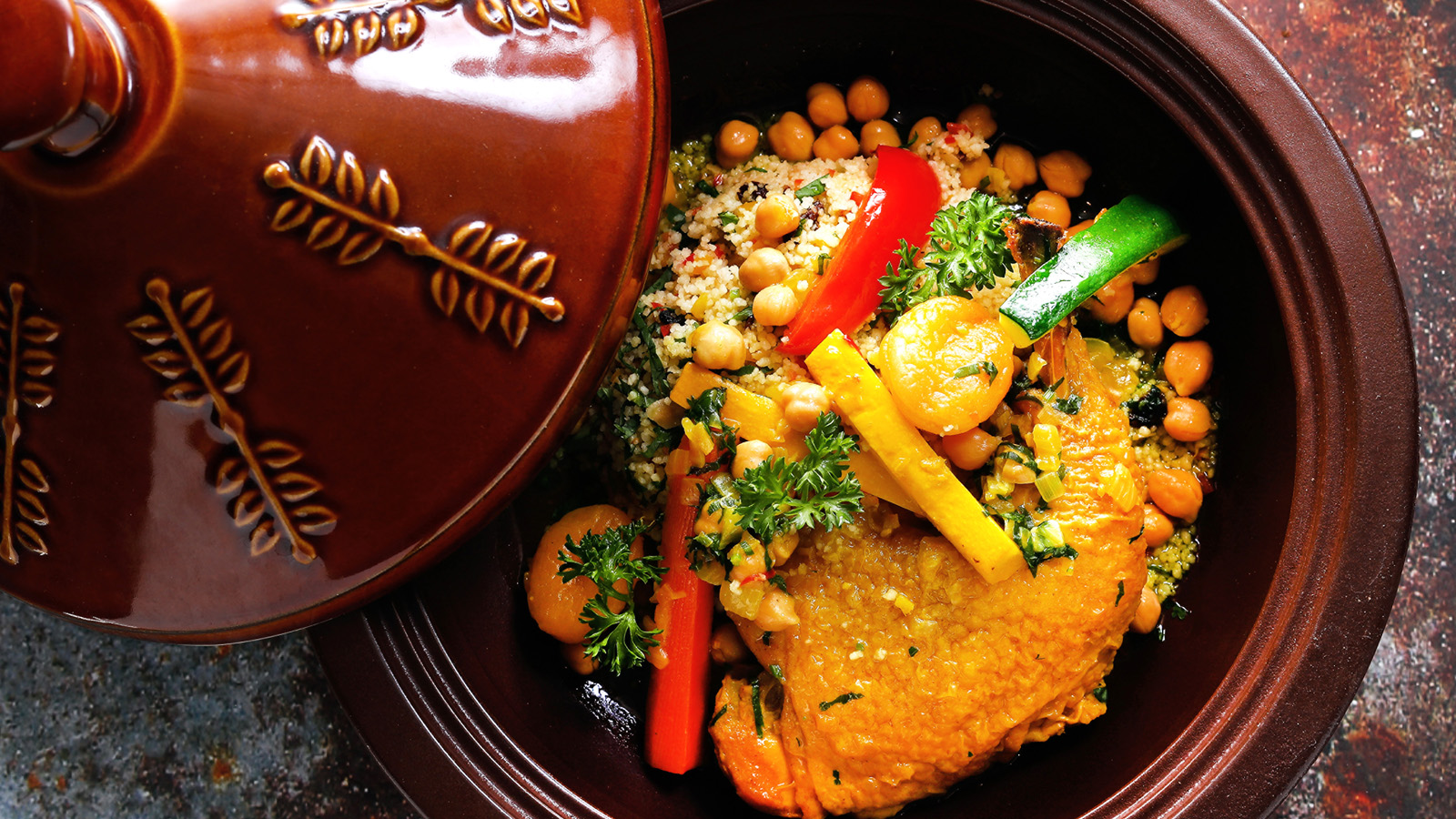
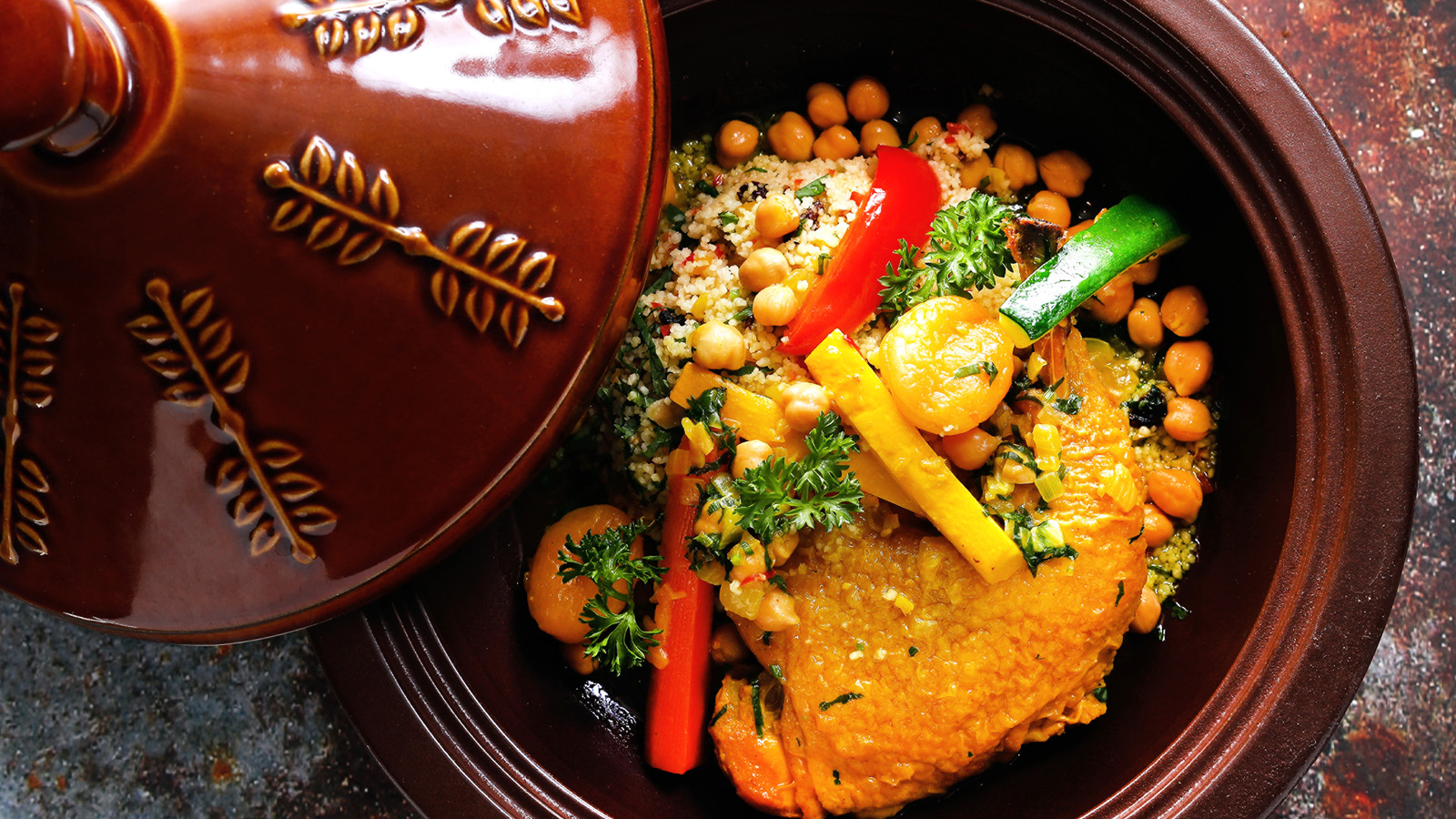
To eat in Marrakech is to taste the geography of conquest, exile, and endurance. Long before the city’s dusty ochre walls attracted luxury travelers and international chefs, its kitchens were quiet laboratories where distinct civilizational threads quietly braided together.
Moroccan cuisine is not a monolithic tradition; it is a layered archive. Sit at a table in the medina, and every dish reveals an origin story—from the ancient indigenous grains of the Atlas Mountains to the refined, aristocratic pastries brought by Andalusian refugees, to the fragrant spices carried across desert trade routes.
To truly understand the culinary soul of Marrakech, one must look beyond the conical lids of tagines and trace the historical currents that built its most iconic dishes.
The Amazigh Foundation: Tagine, Couscous, and the Clay Hearth
At the foundation of Moroccan food sits the Amazigh (Berber) people, the indigenous inhabitants of North Africa whose culinary identity is tethered directly to the soil and earth. Centuries before Arab, Ottoman, or European influences reached the interior, Amazigh cooks were mastering earthenware cooking over slow wood fires.
Two classic preparations define this ancient heritage:
The Tagine: Named after the iconic circular clay vessel with a tall, conical lid, the tagine is the heart of the Moroccan home. The cone acts as a natural condenser: as steam rises from braising lamb, chicken, or vegetables, it hits the cooler upper walls, condenses, and trickles back down. This closed-loop system allows tough meats to slow-cook into succulent stews with minimal water—a brilliant adaptation to an arid landscape.
Couscous: Hand-rolled from durum wheat semolina, authentic couscous is steamed multiple times in a perforated pot (kiskas) set over a simmering broth. Fluffed by hand between cycles, the light, airy grains absorb the essence of root vegetables, chickpeas, and aromatic broth. Topped with tfaya—a sweet crown of caramelized onions, raisins, and cinnamon—it represents the seamless harmony of indigenous rustic tradition and courtly refinement.
The Andalusian Exile: Pastilla’s Delicate Paradox
If the tagine and couscous represent the land, Pastilla (or B’stilla) represents the high art of the royal court. Its origins lie in 15th-century Al-Andalus (Moorish Spain). When Muslims and Jews were expelled during the Reconquista, they brought their sophisticated culinary techniques south into the imperial cities of Fez and Marrakech.
Pastilla is perhaps North Africa’s most complex gastronomic feat: a sweet and savory pie wrapped in paper-thin leaves of warqa pastry. Traditionally stuffed with slow-cooked pigeon (or tender shredded chicken), the filling is seasoned with saffron, ginger, nutmeg, and cinnamon, bound with whipped eggs, and layered with toasted, crushed almonds steeped in orange blossom water.
Dusted with powdered sugar and lattice lines of cinnamon, the first bite offers an intoxicating contrast—shattering pastry, warm aromatic fat, rich meat, and delicate floral sweetness. It is a living artifact of medieval Iberian court culture, preserved almost unchanged in Marrakech.
The Silk Road & Spice Routes: Harira and the Warmth of the Caravan
Marrakech’s historical position as a major trading hub between Sub-Saharan Africa, the Middle East, and the Mediterranean made its markets an epicenter for exotic spice trading. Saffron from Taliouine, cumin from Alnif, and complex house blends like Ras el Hanout (”head of the shop”) became the invisible infrastructure of the city’s cooking.
This spice-route heritage culminates in Harira, a velvety, deeply comforting soup built on a base of tomatoes, chickpeas, lentils, and fine vermicelli. Infused with fresh cilantro, flat-leaf parsley, celery, and a warming blend of ginger and turmeric, Harira carries profound cultural weight during Ramadan, where it gently breaks the day’s fast alongside sweet medjool dates and honeyed chebakia pastries.
The Medina’s Local Invention: Tanjia Marrakchia
While the tagine is enjoyed across all of Morocco, Tanjia Marrakchia belongs exclusively to Marrakech. Born not in royal kitchens or family homes, but among the working-class male artisans and market vendors of the souks, Tanjia is a testament to urban ingenuity.
Unlike the shallow, wide tagine dish, a Tanjia is cooked in a tall, amphora-shaped clay urn. Cuts of beef shank or lamb are packed inside with garlic, cumin, saffron, smen (aged preserved butter), olive oil, and the sharp rind of preserved lemons.
The urn is sealed with paper, tied, and carried to the neighborhood farnatchi—the furnace room that heats the water for the local public bathhouse (hammam). There, buried in the smoldering ash pits for hours, the meat slow-braises in its own collagen and juices until melt-in-your-mouth tender.
Sanctuary at Four Seasons Resort Marrakech
After spending the day unraveling the sensory layers of the ancient medina, transitioning back to quiet luxury is part of the Marrakech rhythm. Set within 40 acres of secluded palm trees, quiet courtyards, and tranquil swimming pools, Four Seasons Resort Marrakech offers a peaceful retreat just moments from the historic city walls.
Here, culinary heritage is honored with refined elevated dining. Guests can savor expertly crafted tagines and regional specialties under the stars, or embark on curated culinary masterclasses with local chefs—learning the delicate balance of spices, preserved lemons, and slow-fire techniques that make Moroccan gastronomy world-renowned.
The Ritual of Connection: Atay and the Final Note
No meal in Marrakech ends abruptly; it dissolves into the slow, intentional ritual of Atay (Moroccan Mint Tea). Introduced via British trade ships in the 18th century, green gunpowder tea was quickly adapted by locals, who infused it with fresh spearmint leaves and generous blocks of sugar.
Poured from a high spout into small glass tumblers, the dramatic height aerates the hot liquid, forming a delicate crown of foam (regga) that locks in the fragrant mint oils while cooling the tea to drinking temperature.
To drink tea in Marrakech is to accept a historical contract of welcome. It serves as a gentle reminder that here, food is never just sustenance—it is a narrative passed down through centuries, waiting to be shared.

This piece is part of the latest issue of Curated Travel Magazine, where we explore travel through immersive stories, cultural insight, and thoughtfully curated experiences around the world.
Enjoyed this article? Read more or subscribe:
Read online: Explore the full issue and archive at curatedtravelmagazine.com/issues.html.
Digital Subscription: Subscribe or purchase digital editions on Zinio.
Print Edition: Prefer a physical copy? Order print editions directly via Lulu.