In Search of the Ideal
September 30, 2026
Red-tailed hawks soar in wide loops over the Hudson Valley’s tapestry of emerald hemlock forests, golden fields, and rolling orchards. From high on the ridge at Olana, the river below catches the sun like an idealized ribbon of polished silver—until you walk down to the bank, where the illusion yields to raw texture, and the water proves dark, deep, and brackish. On the hilltop, the breeze off the butterfly garden carries sweet wisps of bergamot and lavender, brushing against the striking facade of Olana itself: an eclectic, Persian-inspired mansion of polychrome brick that is cut from an entirely different cloth than the Dutch farmsteads below. This was the home of Frederic Edwin Church, born 200 years ago in 1826, who spent his life capturing—and orchestrating—that very tension between raw wilderness and curated vision.
As America celebrates his bicentennial anniversary, I set out to re-examine his legacy and the broader Hudson River School across the region I’ve lived in for most of my life.
I’ll admit, my taste usually skews toward modern and contemporary art—I’m generally drawn to clean abstraction and conceptual work over 19th-century oil paintings. But tracing this movement across its original geography forced a shift in perspective. Seeing these works in context, you realize they weren’t just decorative landscapes; they were deliberate, highly engineered responses to a changing world.
The Route: Tracing the Canvas Across Upstate
Stop 1: The Foundation — Albany Institute of History & Art
To understand what the Hudson River School was truly reacting against, start in the heart of the capital at the Albany Institute of History & Art. Beyond its sweeping survey of early American art, the museum’s collection reveals the subtle ideological tensions of 19th-century New York. Stand before their Hudson River School canvases—particularly the depictions of Lake George, Otsego Lake, and a striking 1830s distant view of Troy. In that canvas, Troy sits low on the horizon, dark, shadowy, and nondescript beneath a mantle of industrial haze, while the foreground bursts with vivid, luminous flora and pristine nature—a visual manifesto prioritizing the wild ideal over industrial progress.
Stop 2: The Northern Sanctuary — Lake George
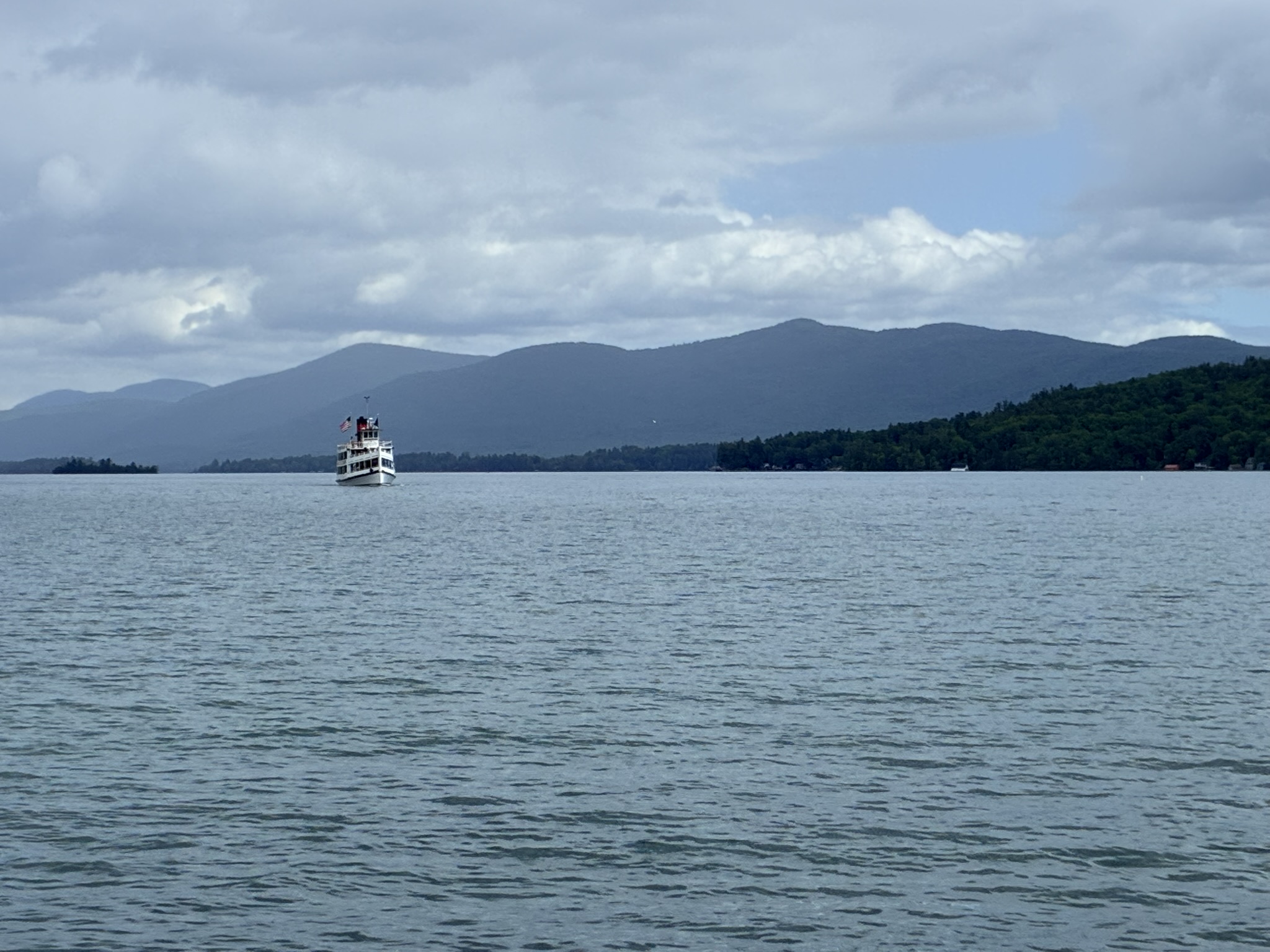
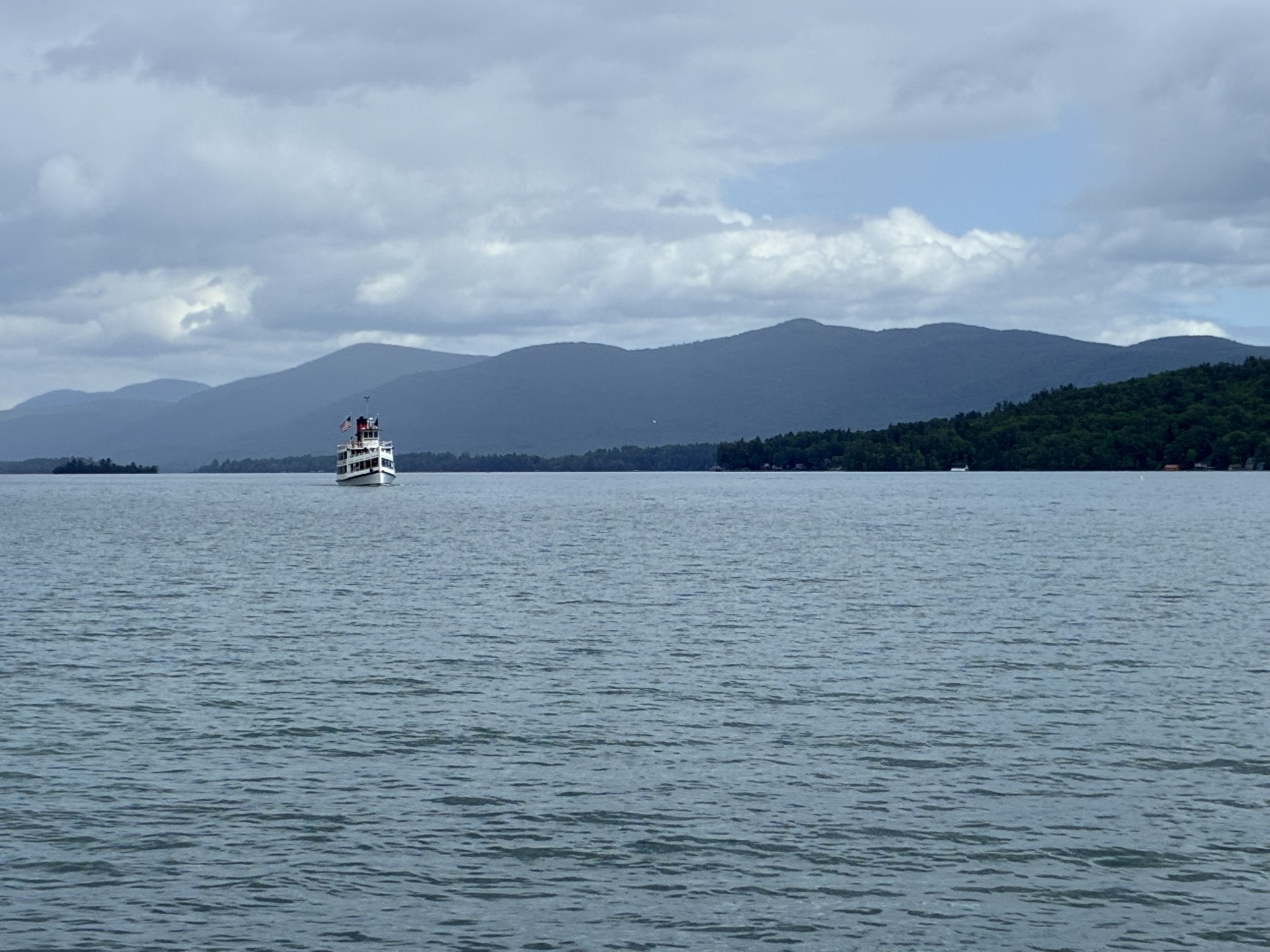
Heading north brings you to the waters of Lake George. Thomas Jefferson famously declared it “without comparison, the most beautiful water I ever saw”—a 32-mile stretch of crystal-clear alpine water framed by steep, forested Adirondack peaks. For Hudson River School artists like John Frederick Kensett and Asher Brown Durand, Lake George was the ultimate outdoor studio. They depicted it with a serene, atmospheric stillness (”luminism”), capturing the mirror-like reflections and misty morning light that made the lake feel like an untouched sanctuary.
Stop 3: The Storybook Setting — Cooperstown & The Fenimore
West in Cooperstown, nature and narrative intertw on the shores of Otsego Lake. Standing at the water’s edge and looking across the expanse, if you squint, you can just make out the distant stone tower on the far bank—barely a speck to the naked eye. Yet inside the Fenimore Art Museum, that same landscape takes on mythic proportions. The collection features masterworks by Thomas Cole, Asher Brown Durand, and their contemporaries, illustrating how these painters didn’t merely document a location, but romanticized it to echo James Fenimore Cooper’s literary world.
Stop 4: The Vantage Point — Hudson & The Rip Van Winkle Bridge
Heading south into Columbia County, the real heart of the movement comes into focus around the town of Hudson. Before crossing the river, head to the Rip Van Winkle Bridge Historic Walkway or the Catskill Mountain House Site overlook at North-South Lake. Standing high above the valley floor, you take in the exact panoramic vista of the Hudson winding through the hemlock canopy that inspired Cole’s first sketches in 1825—the true physical birthplace of the movement.
Stop 5: The Sacred Wilderness — Kaaterskill Falls
Before crossing back over the river, take the short drive up Route 23A into the clove to hike Kaaterskill Falls. This two-tiered, 260-foot waterfall is ground zero for the Hudson River School. Standing at the viewing platform or descending the stone steps into the natural amphitheater of the upper fall, you are looking at the exact scene Thomas Cole painted in 1825—a canvas that captivated the New York art world and launched the movement. While 19th-century tourists needed a local guide and a steep climb, today’s well-maintained trails allow you to easily experience the cool mist, towering hemlocks, and dramatic rock ledges that came to define the romantic American wilderness.
Stop 6: The Mentor’s Refuge — Thomas Cole National Historic Site (Cedar Grove)
Across the river in Catskill sits Cedar Grove, the home and studio of Thomas Cole. The yellow Federal-style house and his restored “New Studio” offer an intimate glimpse into the mind of the school’s founding father. It was here that a young Frederic Church arrived as a student in 1844, learning not just how to paint trees and skies, but how to compose grand moral and environmental allegories out of American soil.
Stop 7: The Masterpiece — Olana State Historic Site
Save a full day for Olana. Church’s home is less a house and more a 250-acre living sculpture. Spend the morning touring the Persian-inspired villa with its hand-painted tiles and orientalist interiors, then spend the afternoon walking the miles of engineered carriage roads. Pack a picnic to enjoy on the lawn overlooking the Hudson, where Church meticulously cleared trees and constructed an artificial lake to frame the ultimate, living composite landscape.
Where to Stay & Eat in Hudson
Savor & Sip:
Governor’s Tavern: A warm, unpretentious local staple offering outstanding burgers, high-end pub classics, and a great draft selection in a classic neighborhood tavern atmosphere.
Wm. Farmer and Sons: A quintessential Hudson institution offering exceptional craft cocktails, local draft beers, and high-end pub fare in a cozy, rustic-chic tavern setting.
Swoon Kitchenbar: A vibrant brasserie on Warren Street celebrated for its seasonal, farm-to-table menu and great wine list.
Where to Stay:
The Maker Hotel: A 2025 Michelin Key recipient, this exquisitely designed boutique hotel on Warren Street is a masterclass in bohemian luxury, celebrating local artisans, craftsmen, and timeless Hudson Valley style.
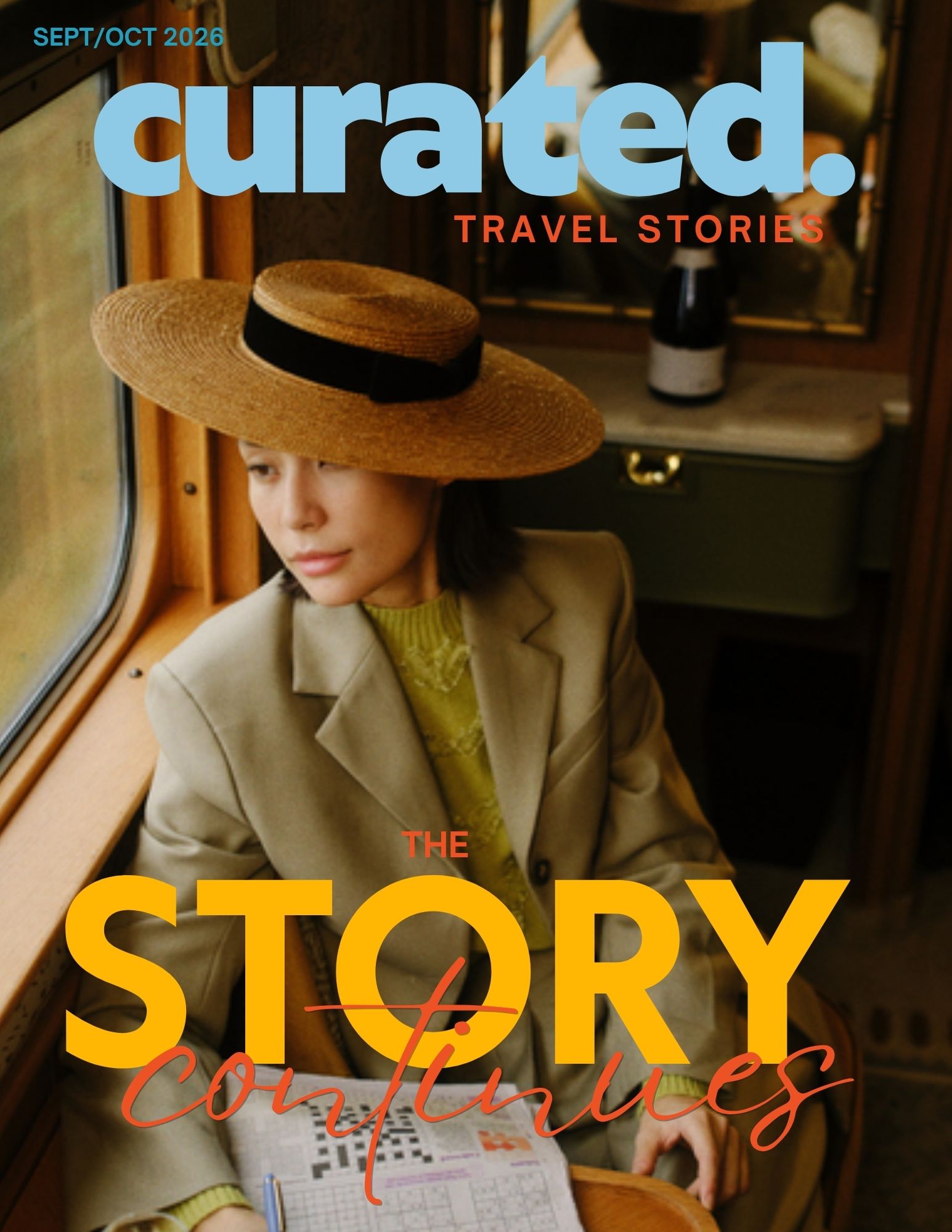
This piece is part of the latest issue of Curated Travel Magazine, where we explore travel through immersive stories, cultural insight, and thoughtfully curated experiences around the world.
Enjoyed this article? Read more or subscribe:
Read online: Explore the full issue and archive at curatedtravelmagazine.com/issues.html.
Digital Subscription: Subscribe or purchase digital editions on Zinio.
Print Edition: Prefer a physical copy? Order print editions directly via Lulu.