Art Deco in the Outback
October 07, 2026
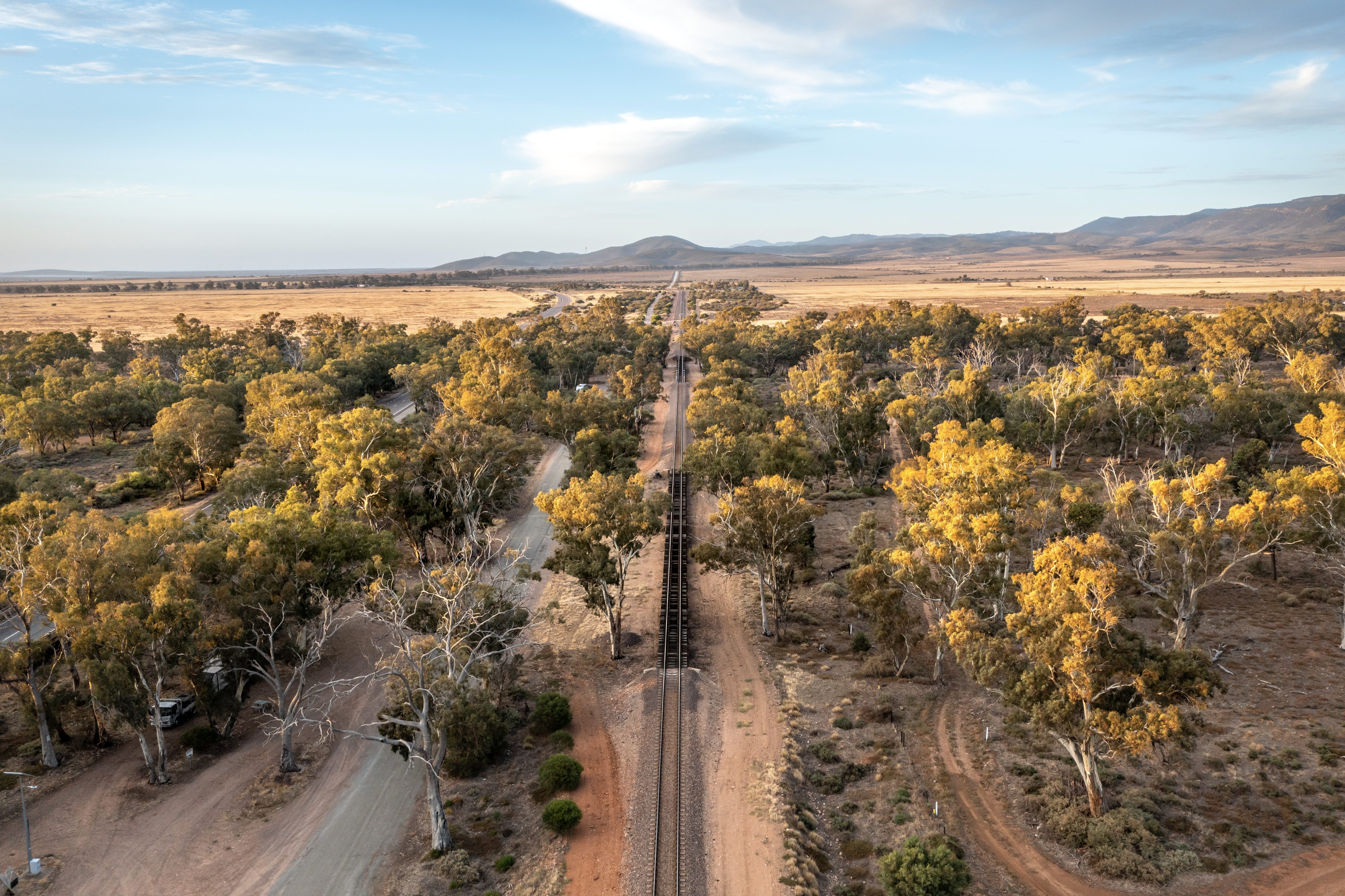
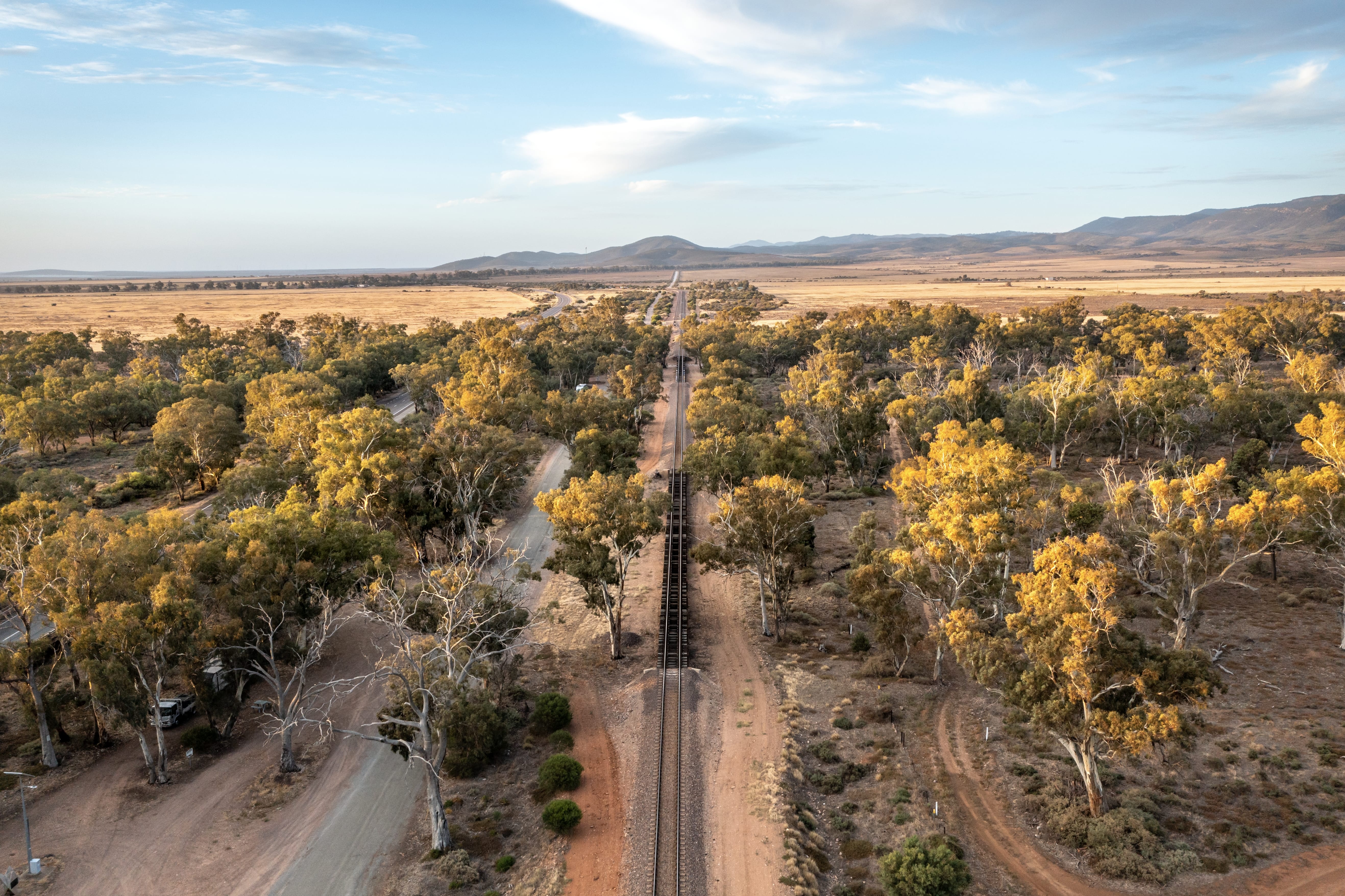
There is a striking visual dissonance that occurs when you look through a frame of polished timber and brushed brass onto three hundred miles of unvarnished red dirt. Inside the carriage, the lines are clean, curved, and disciplined—the geometry of Art Deco, quieted by the tactile warmth of saddle leather, decorative timber, and fine sheepskin. Outside, the landscape is sprawling, wind-scoured, and indifferent to human geometry.
To the untrained eye, Art Deco and the Australian Outback might seem like awkward bedfellows: an urban, European design movement dropped into the silica dust of the Red Center. But in Australia, these two forces share an intimate, historical alliance. Understanding that relationship is the secret to understanding why long-distance rail travel across this continent remains one of the world’s most evocative cultural passages.
The Interwar Frontier: Modernism in Red Dirt
In the 1920s and 1930s, Australia was experiencing an extraordinary industrial and pastoral boom. Wealth flowed directly out of the ground—driven by wool clip, wheat harvests, cattle drives, and rich veins of gold. As transcontinental rail tracks were laid to stitch isolated inland settlements to coastal ports, a distinct architectural wave followed the iron rails inward.
When Art Deco arrived from Paris and Hollywood, remote frontier towns embraced it with fierce pride. Streamlined, curve-cornered pubs, civic halls, and railway stations built from rendered brick, vitrolite glass, and terrazzo sprang up in dusty mining and pastoral outposts like Kalgoorlie and Broken Hill. These structures were more than shelter; they were bold monuments to modern ambition—physical declarations that culture, elegance, and connectivity had arrived on the edge of the wilderness.
Tactile Storytelling Onboard
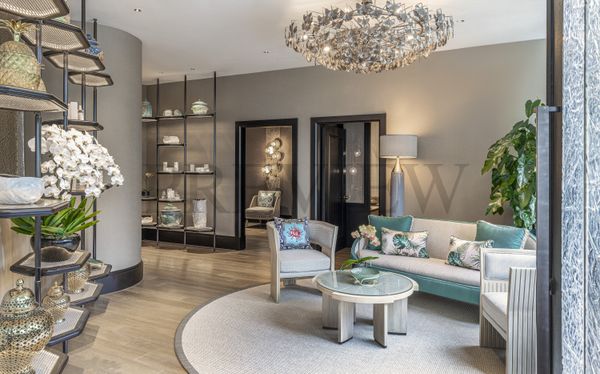
That historical interwar spirit finds its modern rebirth aboard Journey Beyond’s Aurora Australis Suites aboard the Indian Pacific and The Ghan. Designed by Woods Bagot, the carriages deliberately step away from generic modern minimalism to embrace an artisanal, heritage-driven palette.
The materials chosen for the interiors—smooth timber veneers, sculpted stone surfaces, tactile sheepskin, and rich leather—are direct nods to the pastoral commodities that built the nation’s interior economy. These are the textures of the drovers, wool merchants, and railway builders who shaped Australia’s early cross-continental trade.
“The luxury interiors are characterised by an artisanal, heritage-driven approach to detail and meticulous craftsmanship. Featuring a palette of decorative timber, stone surfaces, and accents of sheepskin and leather, the interiors create a rich and layered experience that reflects both heritage and landscape.”
— Rosina Di Maria, Director at Woods Bagot
Paired with private butler service, curated regional dining featuring Kangaroo Island lobster and premium Wagyu, and Champagne Bollinger served in crystal glass, the suite becomes a living capsule. It honors the interwar golden age of rail travel without feeling like a museum piece.
Overlapping Timelines: From Gold Mines to Sacred Waterholes
As the train cuts its steady path across the continent, the real power of the journey reveals itself in the layer cake of history visible outside the window. The rail line acts as a moving corridor connecting three distinct temporal scales:
1. Modern Pastoral & Industrial Heritage: At Kalgoorlie in Western Australia, passengers step off into the legacy of Paddy Hannan’s 1893 gold rush, exploring historic sites before soaring over the vast pit of the mining frontier. In the Adelaide Hills, the train pauses near stone winemaking estates established during the same interwar period.
2. Deep Geological Time & First Nations Memory: When The Ghan pauses at Katherine or Alice Springs, guests take to the sky by helicopter or plane to reach Nitmiluk Gorge and Uluru. Here, the polished lines of the train yield to 13 deep sandstone gorges carved by ancient rivers and sacred monoliths carrying tens of thousands of years of First Nations songlines and rock art around Mutitjulu Waterhole.
3. The Cadence of the Present: Inside the carriage, travelers observe both timelines passing in slow motion—paying the price of distance in time rather than flying blind over the continent’s immense heart.
The Story Continues
Rail travel remains unmatched in its ability to tell complex stories of place. By marrying the geometric elegance of Art Deco craftsmanship with the unyielding majesty of the outback, journeys like The Ghan and the Indian Pacific do not merely carry passengers across geography. They transport them through overlapping eras—proving that on the rails, the story of Australian heritage continues to unfold with every passing mile.
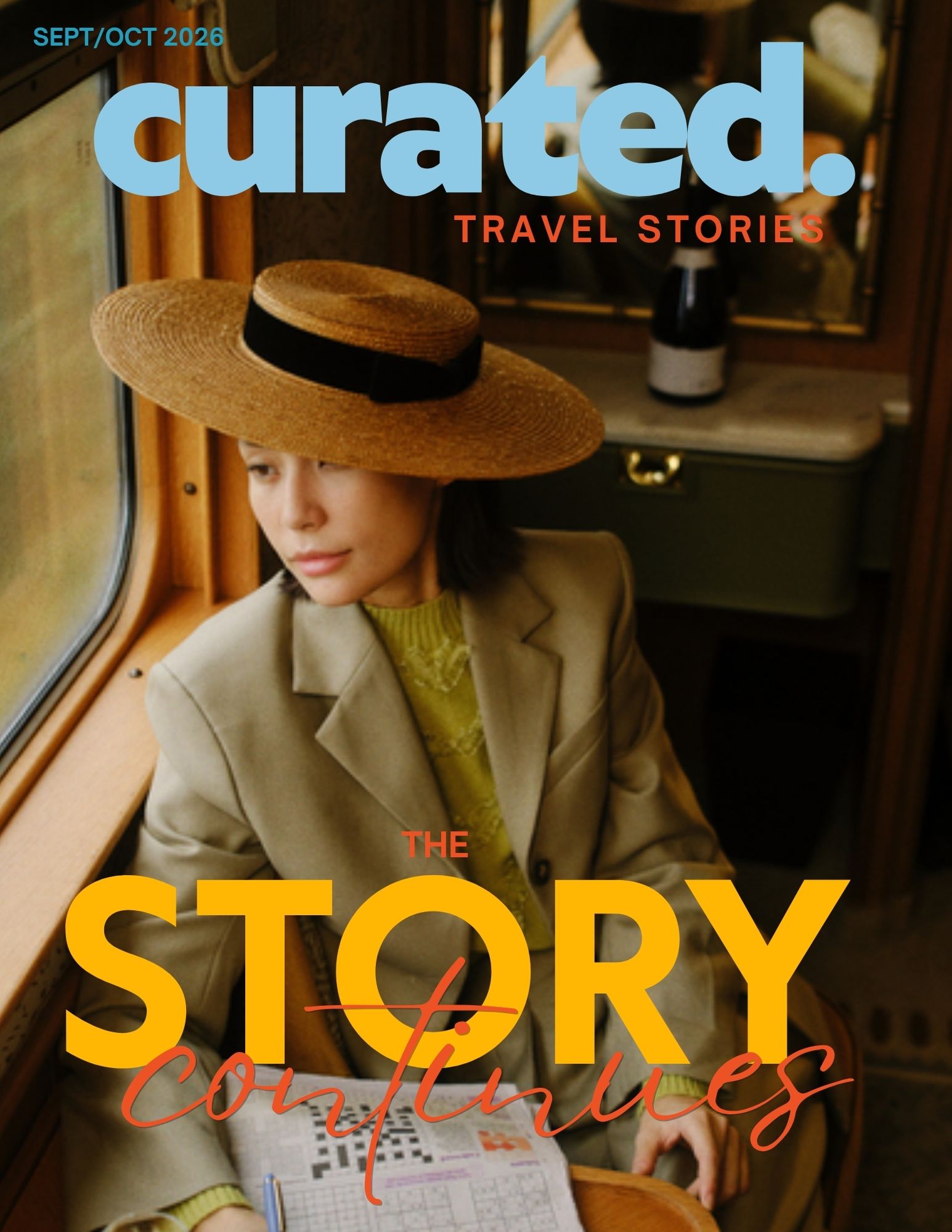
This piece is part of the latest issue of Curated Travel Magazine, where we explore travel through immersive stories, cultural insight, and thoughtfully curated experiences around the world.
Enjoyed this article? Read more or subscribe:
Read online: Explore the full issue and archive at curatedtravelmagazine.com/issues.html.
Digital Subscription: Subscribe or purchase digital editions on Zinio.
Print Edition: Prefer a physical copy? Order print editions directly via Lulu.