Zannier Hotels Brings Conservation to a New Mediterranean Setting
October 11, 2026
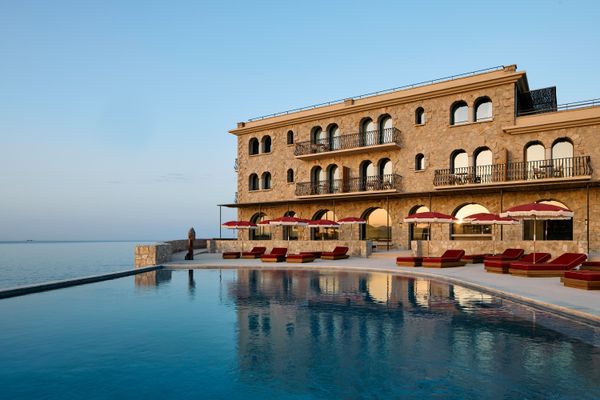
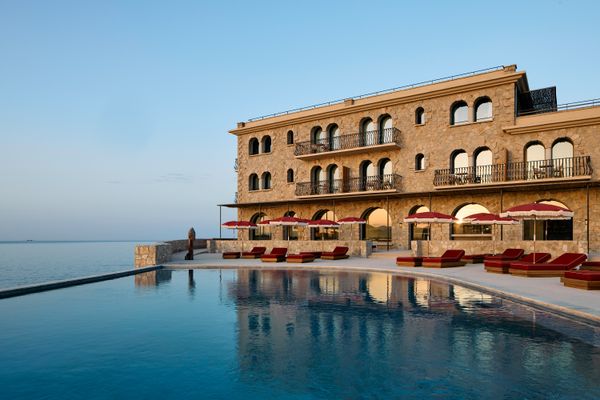
With the opening of Zannier Île de Bendor in the South of France, Zannier Hotels is extending its conservation-first approach into the Mediterranean. Set on a private, car-free island off Bandol, the project centers on renaturation, with more than 15 percent additional trees, 1,500 square metres of de-paved land and landscaping composed of 70 percent Mediterranean plant species. The restoration also brought 25 existing buildings up to modern environmental standards and reused 25,000 tons of excavated material on the island, illustrating an approach that works with an existing landscape rather than simply building over it.
The Mediterranean project joins a portfolio in which conservation strategies are tailored to each destination. At Zannier Bãi San Hô in Vietnam, coral restoration and marine cleanup support the surrounding ecosystem, while in Namibia, Zannier Omaanda’s reserve works to protect threatened wildlife and Zannier Sonop operates with solar power, a self-sustained water system and extensive waste recycling. Across the portfolio, the focus extends beyond reducing a hotel’s footprint to restoring ecosystems, conserving water and soil, eliminating waste and working with local environments and communities.
The Curated Take: The more interesting sustainability story in luxury hospitality is increasingly what happens to a place, not simply what happens inside a hotel. Zannier’s model acknowledges that conservation cannot look the same in a Mediterranean island, a Vietnamese coastline or a Namibian wildlife reserve. Île de Bendor is particularly compelling because its environmental strategy is built around restoring an already developed landscape, suggesting that luxury and regeneration can coexist without requiring a destination to be untouched in the first place.