Beyond the Plate: Chef Christian Alzaga on Slower Travel and Coastal Jungle Identity
October 19, 2026
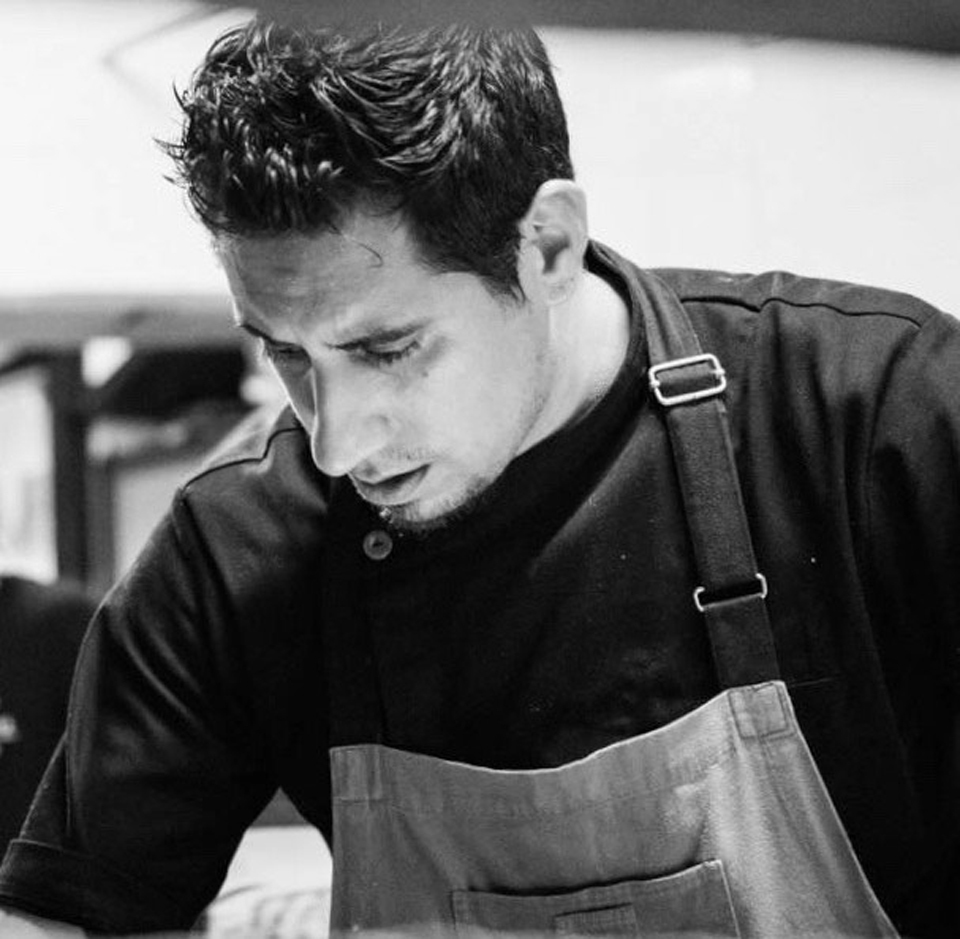
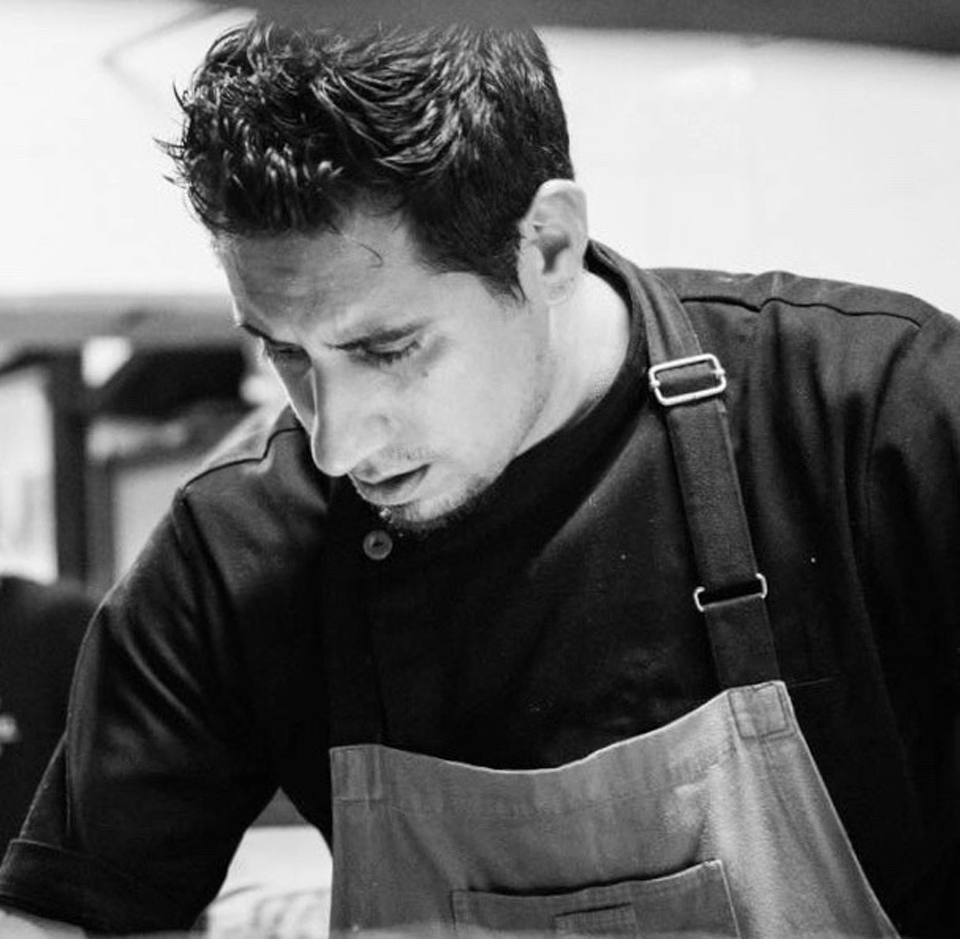
In an era where Tulum changes at breakneck speed, Chef Christian Alzaga—Executive Chef for Namron Hospitality and the culinary mind behind NÜ Tulum, which has been recommended in the MICHELIN Guide three years in a row—isn’t interested in dropping dish names or chasing hyper-fast dining trends. When we sat down to discuss the restaurant’s direction, Chef Alzaga offered a quiet counter-narrative: a call to slow down, respect the territory, and look past the hype. Below is the complete, unedited transcript of our conversation, paired with our curated town recommendations.
What is happening right now at NÜ Tulum? Are there any upcoming menu launches, new culinary concepts, or exciting updates we should explicitly highlight alongside this piece?
NÜ is currently in a phase of constant evolution. Rather than focusing solely on creating new dishes, we are working to deepen the narrative behind each dining experience. Our approach remains centered on building an emotional connection between our guests, the territory, and the ingredients we use.
At the moment, we are exploring new ways to integrate local products, contemporary techniques, and more immersive experiences that allow us to tell stories through cuisine, such as our tasting menu. Each season gives us the opportunity to reinterpret ingredients and continue shaping a proposal that reflects both the essence of Tulum and our culinary vision, as well as a part of who we are and what defines us.
For us, innovation is not simply about introducing something new; it is about finding more honest and thoughtful ways to express who we are as a restaurant and what we want to share with our guests.
[EDITORIAL FIELD NOTE: THE TASTING MENU]
Translating philosophy to the plate: NÜ’s multi-course tasting menus center around open-fire Mexican culinary techniques beneath the jungle canopy. Expect native ingredients like octopus, local recados (spice pastes), heirloom corn varieties, and wood-charred seasonal vegetables paired with artisanal mezcals.
What is your personal backstory with Tulum? What was the definitive moment, memory, or flavor profile that originally drew you to this coastal jungle?
My relationship with Tulum began long before I started working here. Like many people, I was initially drawn by its natural beauty, but what made me stay was the creative energy and cultural diversity that come together in this destination.
One of the things that impacted me most was discovering how simple ingredients can take on an entirely different identity when they are part of such a unique ecosystem. Understanding the connection between the sea, the jungle, the local communities, and the region’s producers helped me realize that cooking in Tulum goes far beyond following a recipe, it is a way of interpreting and expressing the territory itself.
As a chef, Tulum has taught me to observe more closely, listen more carefully, and create experiences where the surroundings play just as important a role as the dishes that arrive at the table.
“Cooking in Tulum goes far beyond following a recipe—it is a way of interpreting and expressing the territory itself.”
— Chef Christian Alzaga
If a true food lover only has time for one absolute must-visit spot in the area outside of your own kitchen, where are they going?
If I had to choose just one place, I would recommend stepping away from the usual route and exploring the smaller spaces where a deeper connection to the local community is still preserved. Some of the most memorable food experiences are often found not in large restaurants, but in a taquería, a family-run kitchen, or a local market where the ingredients speak for themselves.
I would also encourage visitors to spend time exploring Tulum town, visiting specialty coffee shops, discovering artisan bakeries, and experiencing culinary projects that work closely with regional producers. To truly understand Tulum’s food culture, it is important to experience both its contemporary gastronomic scene and the traditional culinary expressions that continue to shape the destination’s identity.
[CURATED GUIDE: TULUM PUEBLO]
Step away from the beach strip to explore three essential town-center culinary pillars: Mestixa for elevated Asian-Yucatecan dining, Italdo for artisan sourdough and Italian espresso in Veleta, and Taquería Honorio for iconic, slow-roasted cochinita pibil tacos served fresh on handmade tortillas.
Tulum has evolved incredibly fast. What is your #1 piece of insider advice for travelers visiting today to ensure they experience the most authentic version of the destination?
My number one piece of advice would be to slow down.
Many people arrive with a long list of places they want to visit, but Tulum’s true essence reveals itself when you take the time to observe and experience it at a more relaxed pace. Speaking with local producers, visiting nearby communities, learning about the region’s history, and understanding the relationship between nature and local culture can offer a much deeper and more authentic perspective.
Tulum remains an extraordinary destination for those seeking genuine experiences. Beyond the trends, its authenticity is found in its people, its ingredients, its stories, and the profound connection between the jungle, the sea, and those who have made this place their home.
Editor’s Note: NÜ Tulum is situated along the South Tulum Beach Road, nestled on the jungle side of the strip. While Executive Chef Christian Alzaga advocates for exploring the neighborhood’s humble family kitchens and town-center roasters by day, a table at NÜ by night remains one of the Riviera Maya’s most atmospheric candlelit dining experiences.

This piece is part of the latest issue of Curated Travel Magazine, where we explore travel through immersive stories, cultural insight, and thoughtfully curated experiences around the world.
Enjoyed this article? Read more or subscribe:
Read online: Explore the full issue and archive at curatedtravelmagazine.com/issues.html.
Digital Subscription: Subscribe or purchase digital editions on Zinio.
Print Edition: Prefer a physical copy? Order print editions directly via Lulu.