Can a Large Luxury Resort Be Truly Sustainable? Mulia Bali Is Setting a New Benchmark
November 08, 2026
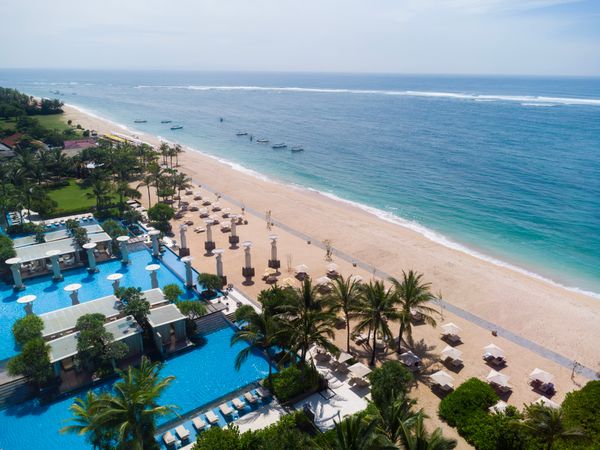
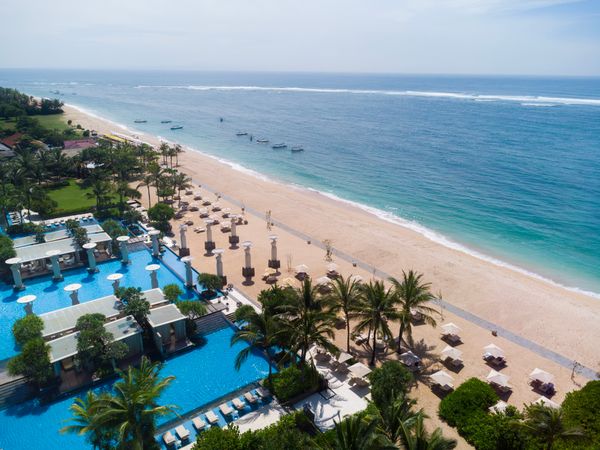
Luxury hospitality and environmental responsibility are increasingly expected to go hand in hand, and Mulia Bali is demonstrating what that can look like at scale. Across its three Nusa Dua properties and nine dining venues, the beachfront estate achieved a 99% landfill waste diversion rate during the first eight months of 2026, building on several years of steady progress in reducing its environmental footprint. The resort’s approach includes sorting waste across 15 operational categories, composting all green waste on-site, recovering glass for regional recycling and redirecting organic kitchen preparation waste to local agricultural partners. Plastic-free initiatives, cassava-based alternatives and water reclamation systems further contribute to its sustainability efforts. With 745 accommodations spanning private pool villas, all-suite stays and resort rooms, Mulia offers a notable example of how environmental stewardship can be integrated into the operations of a large-scale luxury resort in Bali.

The Curated Take
Sustainable travel is often associated with remote eco-lodges and small-scale retreats, but the environmental practices of major hospitality estates matter just as much. Mulia Bali’s progress is significant because it addresses the operational realities of luxury at scale, from dining and landscaping to guest accommodations and resource management. For travelers choosing a beachfront escape in Nusa Dua, the resort’s approach adds another dimension to the experience: a recognition that exceptional hospitality should also consider the long-term health of the destination in which it operates.