The New Safari Luxury Is Having the Wilderness to Yourself
November 18, 2026
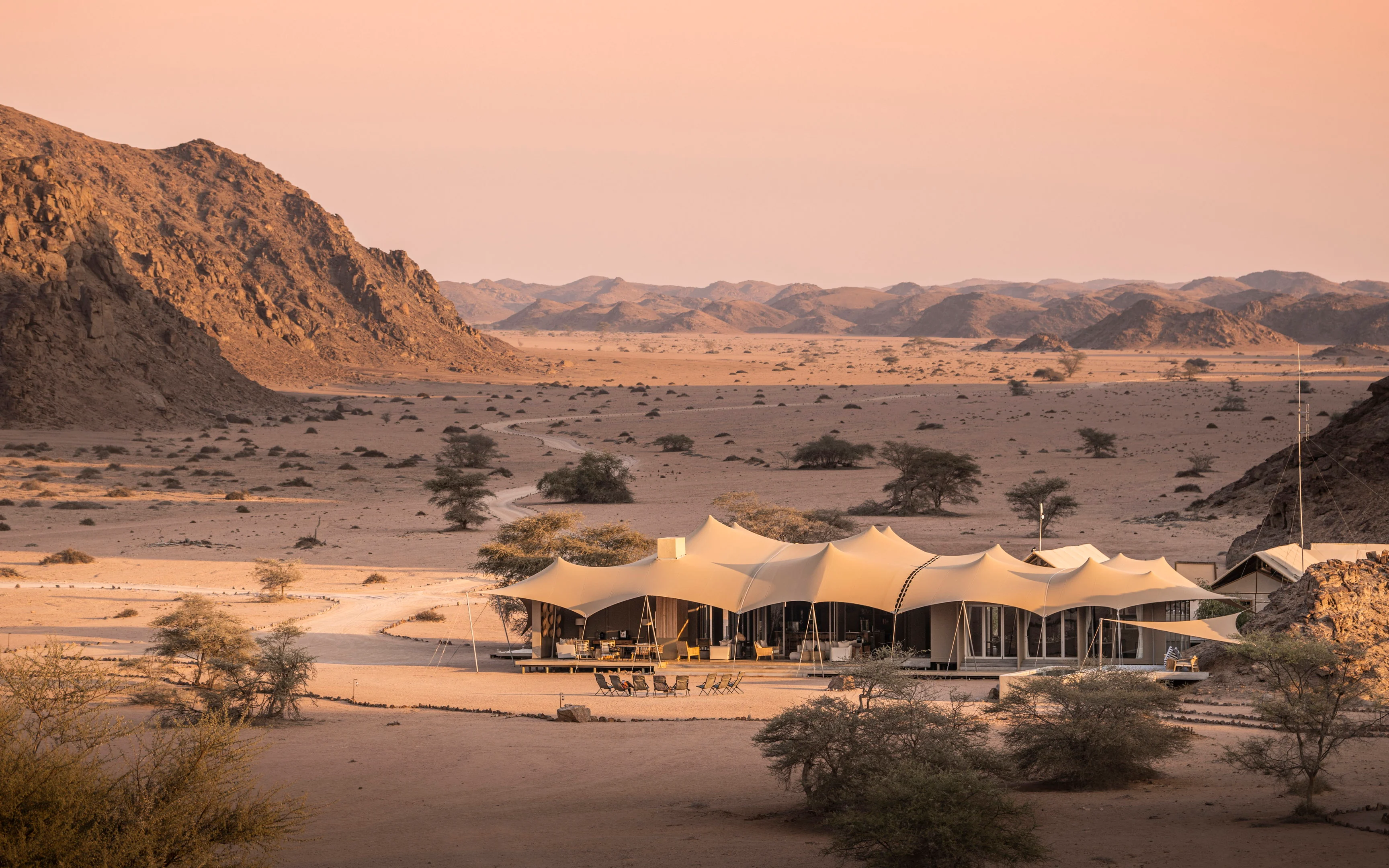
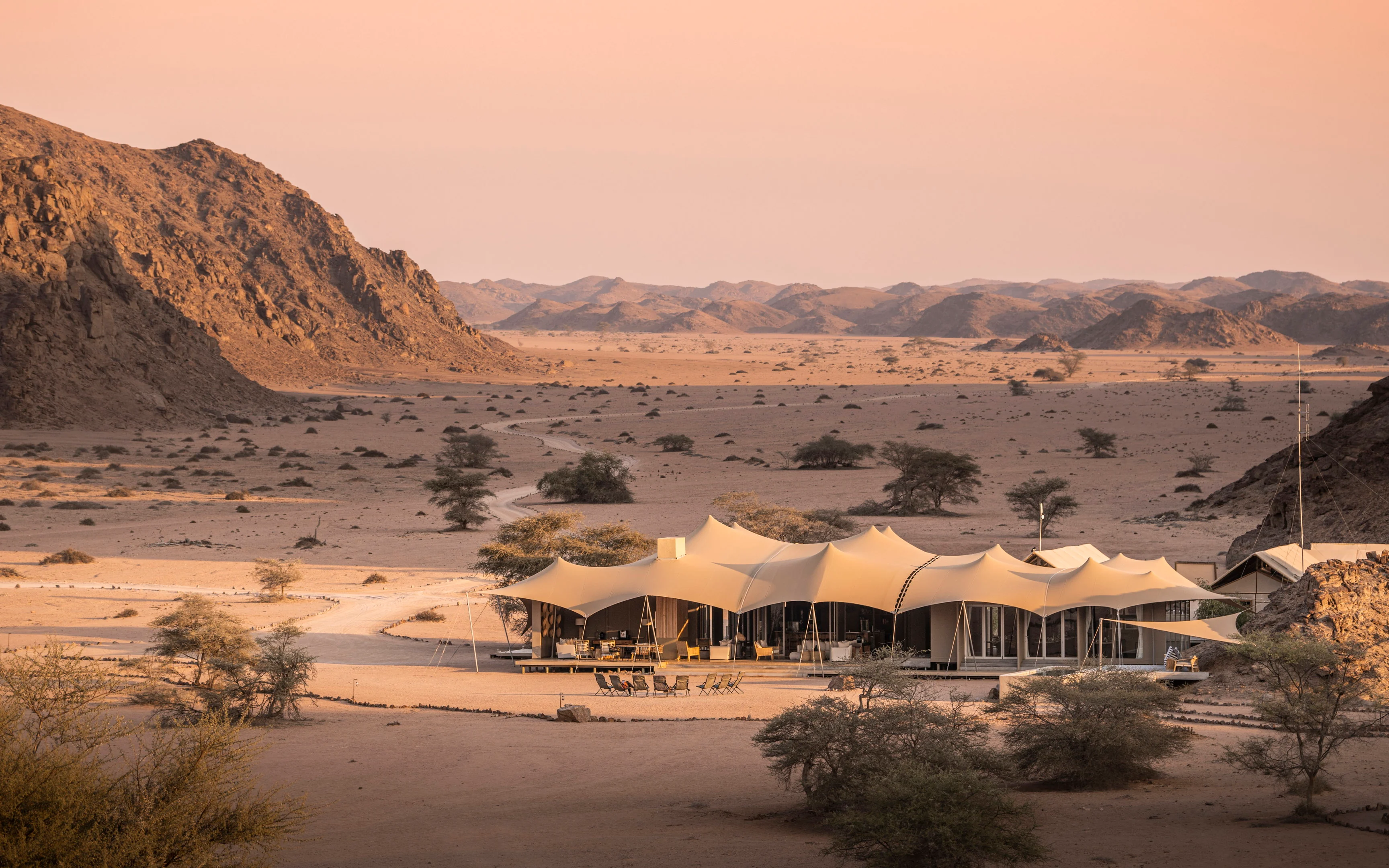
For discerning safari travelers, the definition of luxury is shifting from the most celebrated lodge to the freedom of experiencing the wilderness with fewer people and greater personal access. According to luxury tour operator Africa&You, requests for exclusive-use camps, private vehicles and private villas have increased 70% year over year, reflecting growing demand for privacy, flexibility and unhurried exploration. The company’s Where to Safari in 2027 selection highlights five destinations where that sense of space remains central: South Africa’s Eastern Cape, Zambia’s South Luangwa, Tanzania’s remote Katavi, Namibia’s Kunene and Skeleton Coast, and Botswana’s Makgadikgadi Pans. The report also points to a broader evolution in luxury safari travel, with guests favoring longer stays in fewer locations and experiences that extend beyond game drives to include walking safaris, conservation encounters, cultural connections and restorative time in nature. Together, these destinations offer a compelling view of safari’s next chapter, where exclusivity is measured not simply by the accommodation, but by the depth and individuality of the experience.

The Curated Take
There is a meaningful distinction between having a private vehicle and feeling that a landscape is truly yours. The appeal of these quieter safari regions lies in the opportunity to spend more time observing, listening and understanding a place, rather than moving quickly between celebrated wildlife sightings. From the immense salt flats of Botswana to Namibia’s desert coastline and Zambia’s walking-safari country, these journeys reward travelers willing to venture beyond the familiar circuits. The most valuable luxury may be the freedom to slow down, follow the guidance of someone who knows the land intimately, and experience Africa on a more personal scale.